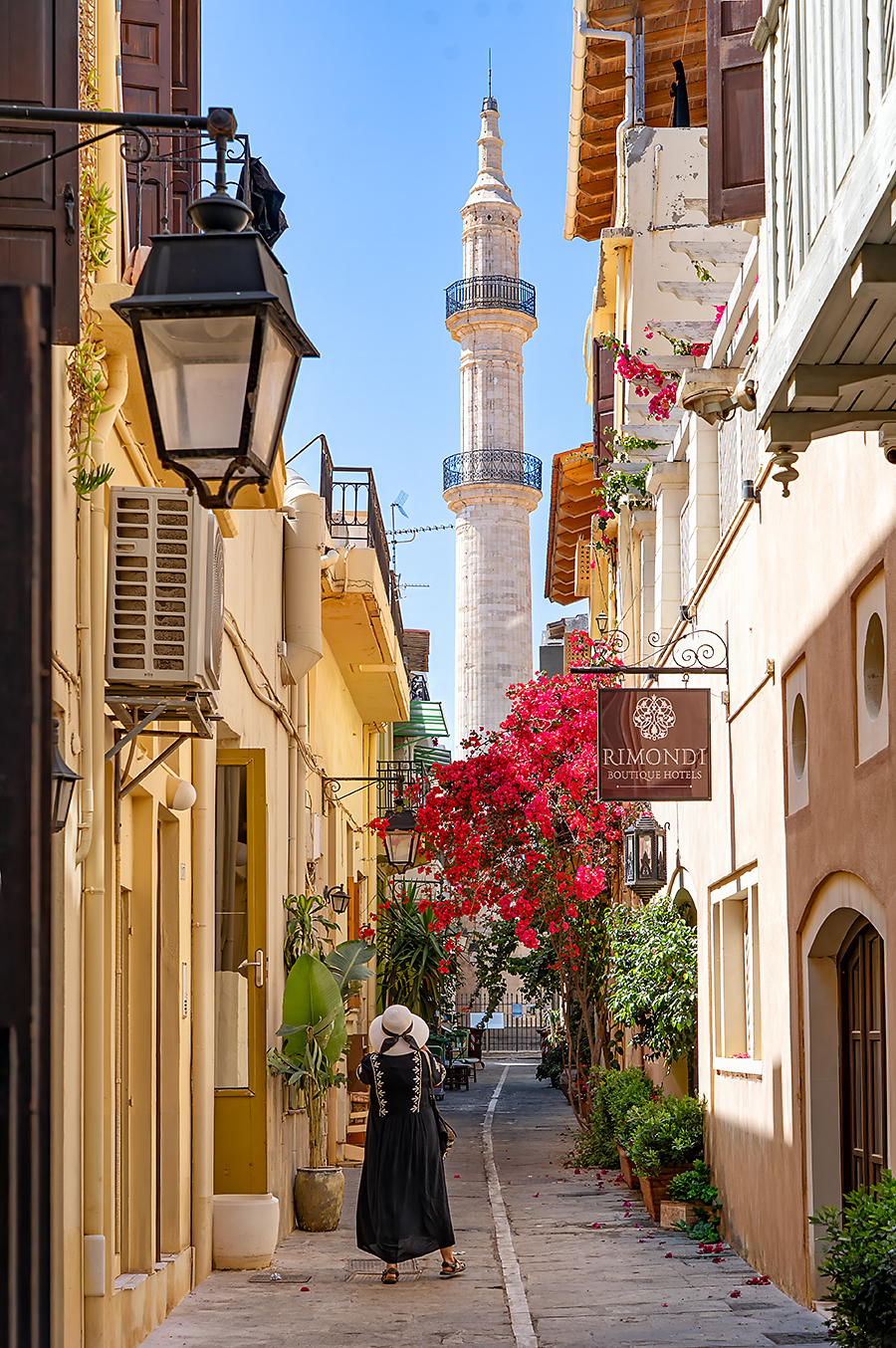
I’ve used this image, taken in Crete two weeks ago, as an example of Linear perspective. I took the picture without knowing that’s what I was doing. What I was looking for was an interesting picture of the minaret. There was always someone in the frame so I used them to my advantage to show it as a tourist attraction and give everything some scale. I use people in my images a lot for that. I shot that image at f8 with a 28mm lens to keep everything in focus, placed the minaret in the centre of the image and used the narrow alleyway and buildings as leading lines in to the minaret. Sounds fancy doesn’t it but that’s what the definition of Linear Perspective tells me I’ve done.
This is an interesting challenge for me and another Lens-Artist learning curve. Using perspective in relation to photography is, as John says, something I already did without realising I was consciously using perspective as a tool.
The first thing I did was research the term and found a superb article in relation to perspective on the Shutterstock web site. You can read that article here – Perspective Photography. Next I went looking through my portfolio for examples of the different perspective tools in use, using the Shutterstock guide. Here’s the opening quote from that guide:
What Is Perspective Photography?
Perspective photography refers to the spatial distance between various objects within your frame.
Different perspectives in photography can be explored by experimenting with depth of field, different focal lengths, or by simply changing your vantage point as a photographer.
Perspective in photography is all about finding a unique point of view as the photographer. An interesting perspective has the power to elevate something ordinary into a memorable work of art.
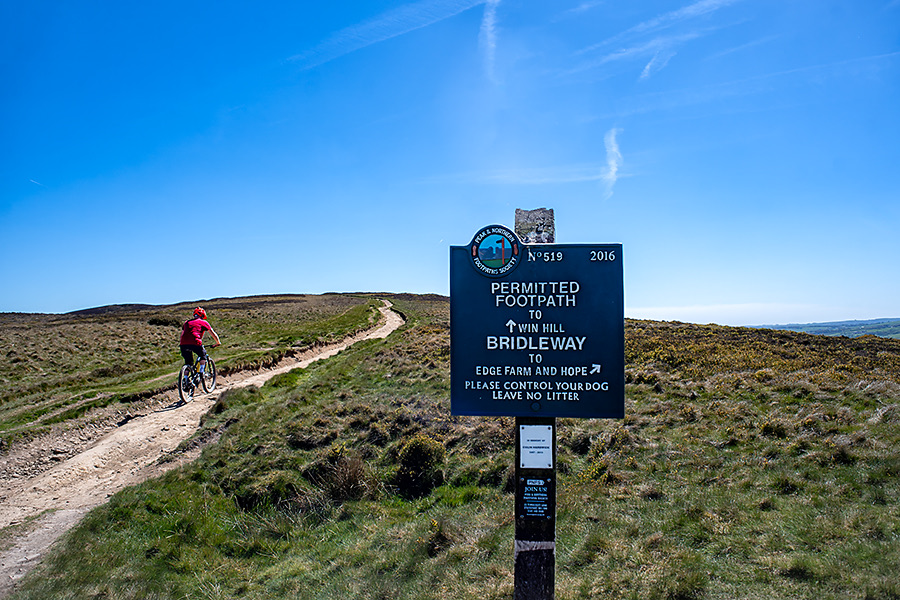
Forced Perspective – The article states – Popular images of people who appear to be holding the Eiffel Tower between their fingers is an example of forced perspective photography. – My image above was taken in New Street Station, Birmingham. The fact that I’ve shot down in to the concourse would have already made people look smaller. I’ve enhanced that by using the Miniature Effect or Toy filter on my Fuji X-Pro 2.I’ve used another Forced Perspective technique here for story telling at a wedding as per this guide in the article – Forced perspective shouldn’t just be used for silly vacation photos though. This perspective style can also be a great storytelling technique for conceptual photographyAerial Perspective – I used this perspective effect, again without knowing it, as taken from the Shutterstock article – Also known as atmospheric perspective, aerial perspective refers to the way that light, color, and contrast change as the distance between objects and the photographer increases.Consider a picture of a mountain range during sunset or sunrise. The peaks that are closer to the photographer’s camera will appear much darker than the peaks that are farther in the distance.High-Angle Perspective Here’s an example, looking down into a street from a sky bar on a hotel roof. Here’s the article definition – Not to be confused with aerial perspective, high-angle perspective—also referred to as a bird’s-eye perspective—refers to placing the camera above the subject. It will make subjects appear smaller in the frame and also emphasize the scale of the environment you are photographing.I’ll break away from the Shutterstock article for my final image. It’s one of my images taken earlier this year in the Peak District, UK. For me it ties a lot of this together. I saw the bike approaching us, spotted the sign and thought I could use it to tell a story as the cyclist rode past us. At least that’s what I think I’ve done. The image follows a lot of the rules of photography and perspective. I suppose learning all this stuff is conditioning us to be that better photographer. Able to act fast and grab an image when unplanned opportunities, like this, come along.
Thanks to John for hosting this weeks challenge. It’s certainly given me food for thought.
1 thought on “Lens-Artists Challenge #403—Tools of Photo Composition: Perspective, Depth, and Scale”
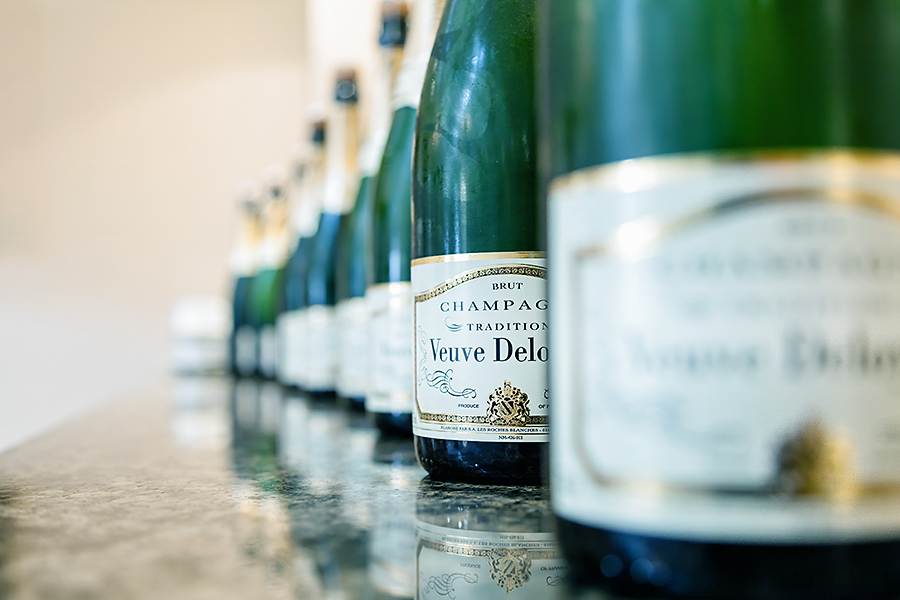
Beautiful images, I liked the wine shot, food for thought 😁 also your narrative is very interesting and helpful. Hard to do this challenge better than this Steve 10+


 Steve Hyde
Beautiful images, I liked the wine shot, food for thought 😁 also your narrative is very interesting and helpful. Hard to do this challenge better than this Steve 10+