
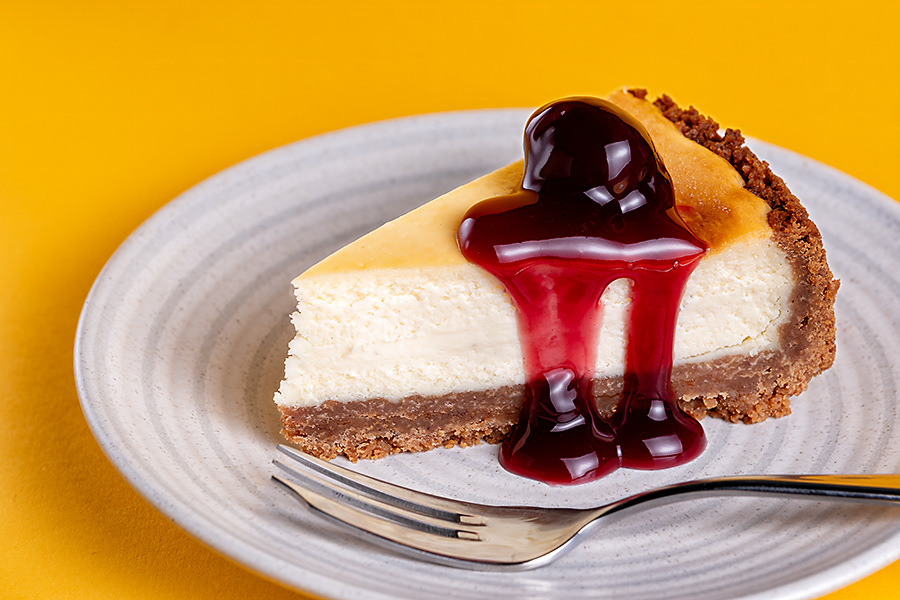
It’s always nice to make a few pennies from your hobby and that’s the way I generally view selling some of my images through a stock picture library. It’s not quite as simple as that though.
Taking pictures for stock also gives me a good reason to use my camera more than I probably would. It forces me to visit places I may not usually visit and shoot things I might not otherwise shoot. Food photography is one very good example of that.

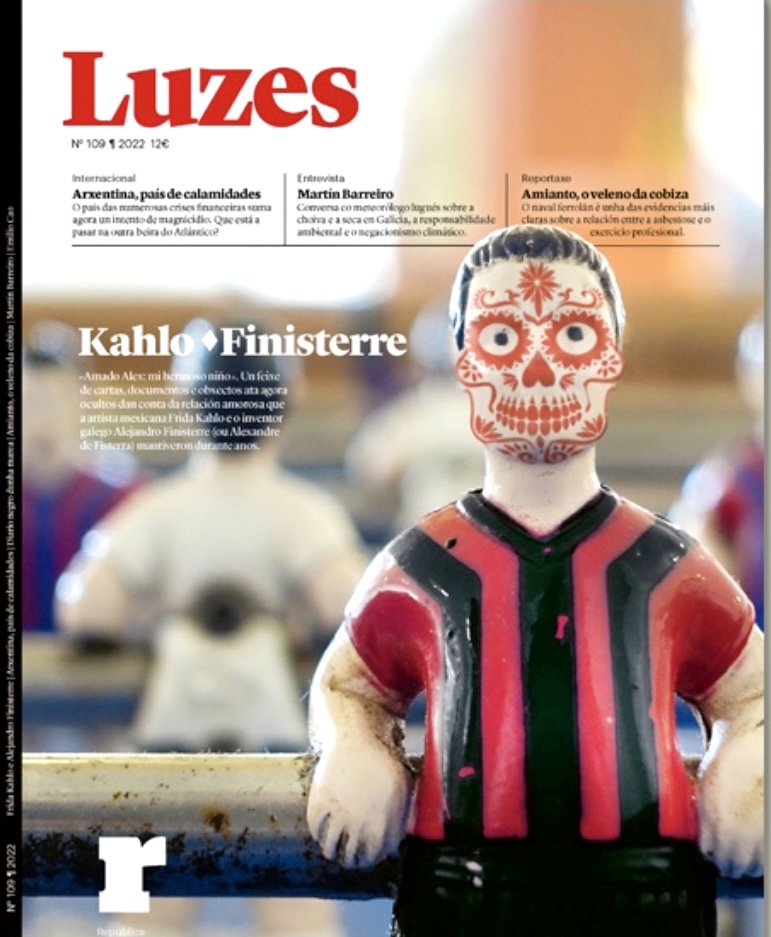
I uploaded my very first stock images to Getty, some time around 2008, after they approached me for images they had seen, liked and wanted, from my Flickr account. At that time I was just pleased to have been approached and chuffed that someone thought they could sell my pictures.

I uploaded the images they requested and a short time later had my first sale. The acorn picture shown above. It sold to a bank and they paid $600 for the image. Getty commission rates were 20% at that time so I received $120. Not bad for an image I shot on a lunch break in work. I would add that stock image prices have plummeted since those heady days. Nowadays sales making that sort of money are few and far between.

After that initial success, I sold a few more images through Getty, but never earned as much as that first sale. Getty would only sell Royalty Free images, which meant that I needed model releases for any recognisable people in my images and property releases for any buildings, pets, or pretty much anything belonging to someone else. That didn’t really fit in with what I was shooting at that time, so I never really took stock photography that seriously. In the meantime, weddings came along to take over my photography life for a few years and I had no time for anything else.
Things didn’t really change much until 2015, when I was forced to abandon my wedding photography business (that story is here) and I needed a new challenge. I’d long ago abandoned Getty and joined Alamy in 2010, but hadn’t uploaded very much to them, although I did have a few sales.

Alamy are a very different stock agency from Getty. They are UK based and predominantly a news agency. That means they would accept Rights Managed images, which can be sold without model and property releases, as long as that image is used in editorial work, i.e. newspapers and magazines and their relevant websites. I still upload Royalty Free images to Alamy but the vast majority of my images with them are Rights Managed. At that time, Alamy also operated a 60% commission rate. That’s dropped to 40% these days.

As with all new genres of photography I’d dived into, I decided I needed to get some training. So, as well as reading up as much as I could, I went on a one day stock image training course, with a guy called Keith Morris who was a major seller on Alamy. The course was fine but I remember leaving quite dejected. There was no golden ticket and the bottom line from Keith was that, however good a photographer you were, stock photography was a numbers game. The more images I had with Alamy, the more I would sell.
That sounds obvious doesn’t it, but we’re talking big numbers here. After ten years on Alamy, uploading regularly, I have 2,500 images in my portfolio. Photographers like Keith had 150,000+ images for sale. He spent his whole day taking pictures and told us most evenings he was up until 10pm, keywording and captioning his Alamy uploads. The trouble for me was that I could never commit to anywhere near that level of dedication, even if I wanted to.
That all sounds a bit depressing but it isn’t, as long as you don’t view stock photography as a revenue stream that will replace the day job. Some images still reach reasonable prices on Alamy but lots sell for less than $3.
For a further insight on how, and if, you can make a living selling stock images, I would refer you to Alexandre Rotenberg’s excellent blog site ‘Brutally Honest Guide to Stock Photography and Footage’
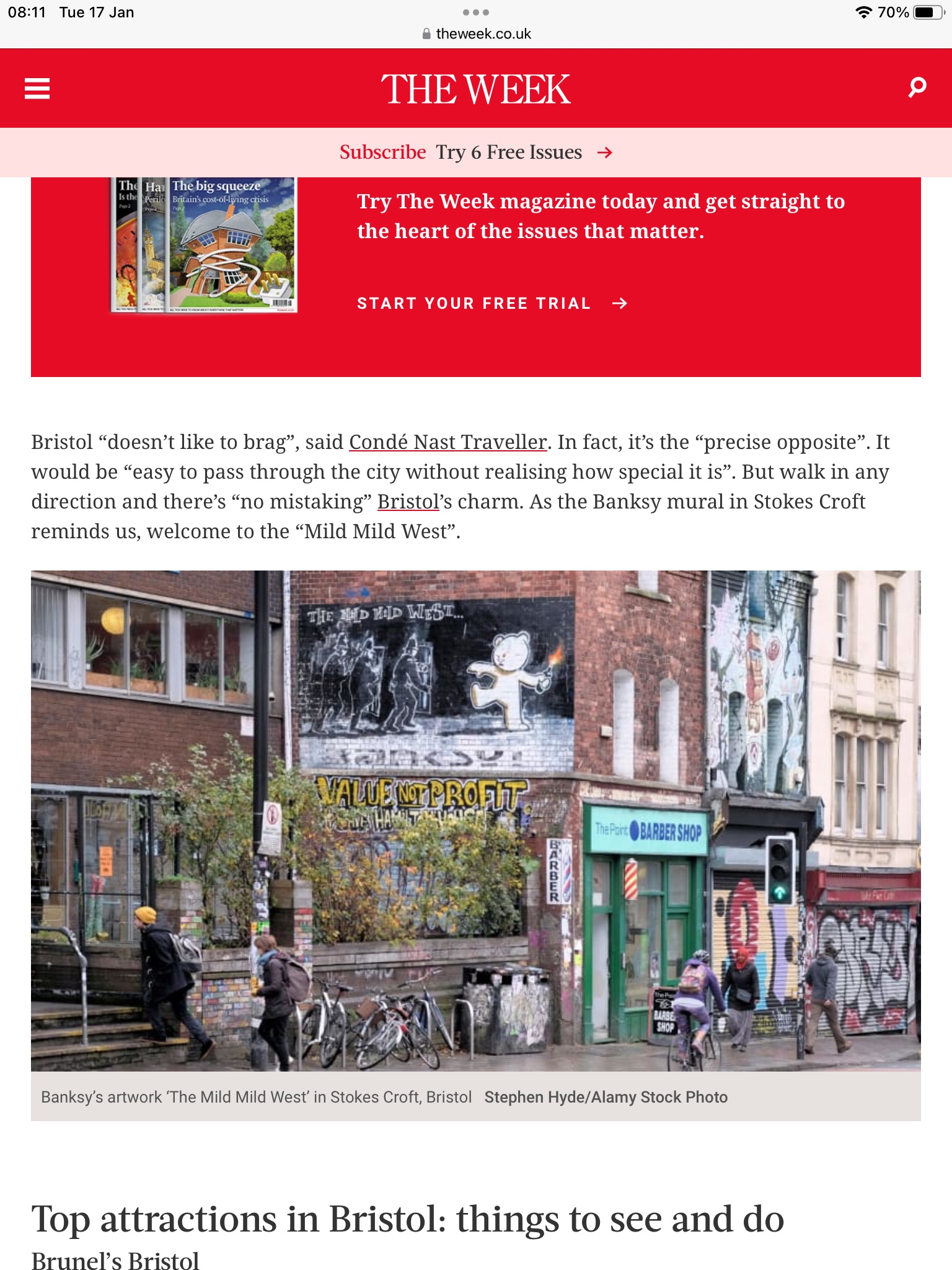
I sell images every month and make enough money to buy a new lens, an annual software licence (I’ve just renewed my Topaz subscription which was just over £100) or something else camera related. UK tax laws allow you to make £1000 a year from a hobby before paying tax. I don’t earn more than that which suits me fine. I still have a good enough reason to shoot stock without it encroaching on all the other things I like to do.
All images: ©Stephen Hyde 2007-2025 – All rights reserved.
 Steve Hyde